


Last Updated: September 10, 2026
Yellow, white, thickened, brittle, or crumbly toenails can be signs of a fungal nail infection, also called onychomycosis. However, toenail fungus does not look the same in every patient, and other nail conditions can cause similar changes.
Understanding the different patterns of toenail fungus can help you recognize when a nail change deserves attention. Below, we explain common types of onychomycosis, the symptoms they can cause, and treatment options a podiatrist may consider.
What’s the Big Deal About Toenail Fungus?
Toenail fungus, also known as onychomycosis, is a common fungal infection that affects the toenails. This stubborn fungal infection not only tarnishes the appearance of nails but can also lead to significant discomfort and potential foot health complications if left untreated.
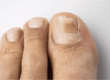
Toenail fungus can develop in different parts of the nail depending on the pattern of infection. Common changes include white, yellow, or brown discoloration, thickening, brittleness, debris beneath the nail, and separation of the nail from the nail bed.
Risk factors include older age, athlete’s foot, repeated nail trauma, excessive moisture, and frequent exposure to communal wet environments such as locker rooms and pools. Diabetes, poor circulation, and a weakened immune system can also increase susceptibility or make complications more concerning.
Seeking evaluation for persistent toenail changes can help confirm the cause and determine whether treatment is appropriate before more of the nail becomes involved.
Types of Toenail Fungus
Toenail fungus can appear in several patterns, but appearance alone does not always confirm the diagnosis. Several nail conditions can resemble a fungal infection. A podiatrist may examine the nail and, when appropriate, collect a nail sample for laboratory testing before recommending treatment.
Common patterns of toenail fungus include:
Distal Subungual Onychomycosis (DSO): DSO is the most common type of toenail fungus, affecting the nail bed and underside of the nail plate. It typically starts at the tip of the nail and progresses toward the cuticle, causing the nail to become discolored, thickened, and brittle. In advanced stages, the nail may separate from the nail bed, leading to pain and discomfort.
White Superficial Onychomycosis (WSO): WSO affects the surface of the nail plate, appearing as white, powdery patches on the nail surface. Unlike DSO, WSO doesn’t typically cause nail thickening or separation from the nail bed. However, it can still weaken the nail and make it more susceptible to damage.
Proximal Subungual Onychomycosis (PSO): This less common pattern begins near the base of the nail, close to the cuticle, and progresses outward. It has been associated with immunosuppression, although it can occur in other patients as well.
Total Dystrophic Onychomycosis (TDO): This advanced pattern can develop as fungal nail disease progresses. Much or all of the nail may become thickened, discolored, brittle, crumbly, or distorted, and treatment can be more challenging when extensive nail involvement is present.
Candida Onychomycosis: Candida yeasts can cause nail infections, although dermatophytes are more common causes of toenail onychomycosis. Candida nail infections may occur with changes such as discoloration, thickening, or inflammation around the nail and may be associated with certain underlying health or environmental factors.
Treatment depends on the type and extent of the infection, how much of the nail is involved, the number of affected nails, and the patient’s overall health. Prescription topical antifungal treatments may be appropriate for selected mild or limited infections, while oral antifungal medication may be considered for more extensive disease. Debridement, laser treatment, or other approaches may also be considered for appropriate patients.
Signs and Symptoms of Toenail Fungus
Toenail fungus can affect the color, texture, thickness, and attachment of the nail. Common changes include:
Discoloration: The nail may develop white, yellow, or brown discoloration.
Thickening or Crumbling: An affected nail may become thicker, brittle, rough, or difficult to trim.
Nail Separation: Part of the nail may begin lifting or separating from the underlying nail bed.
Changes Around the Nail: Some patients experience scaling or irritation of the surrounding skin, particularly when athlete’s foot or another fungal skin infection is also present.
These symptoms are not specific to toenail fungus. Nail trauma, psoriasis, and other conditions can cause similar changes, which is why persistent or worsening nail changes may warrant a professional evaluation.
Fungus Toenail Treatments in Los Angeles
When it comes to treating toenail fungus, podiatrists utilize a variety of methods tailored to the severity and type of infection.
Prescription Medicines: Treatment may include topical or oral antifungal medication depending on the extent of the infection, the nails involved, and the patient’s health history. Prescription topical treatments may be appropriate for selected cases with limited nail involvement, while oral antifungal medication may be considered for more extensive disease. Because oral antifungal medications can have contraindications and drug interactions, treatment should be selected based on the individual patient.
Nail Debridement: Trimming and thinning an affected nail can reduce thickness and discomfort and may improve the effectiveness of topical treatment when used as part of a broader toenail fungus treatment plan.
Patient Education: Podiatrists provide guidance on proper foot hygiene and preventive measures to reduce the risk of reinfection.
PinPointe Laser Fungus Toenail Treatment: LA Foot Laser offers PinPointe laser treatment for appropriate patients with onychomycosis. The device is FDA-cleared for the temporary increase of clear nail in patients with fungal nail infection. Treatment sessions may be relatively brief, but visible improvement depends on new nail growth and results vary from patient to patient.
Combination therapy: Podiatrists may recommend a combination of treatments for more stubborn infections, such as using topical and oral antifungal medications together.
In selected cases, partial or complete nail removal may be considered when a nail is severely affected, painful, or has not responded adequately to other treatment.
Throughout treatment, Dr. Harounian can monitor changes in the nail and adjust the treatment plan when appropriate based on the patient’s response.
Key Takeaways
Toenail fungus can appear in several patterns, and not every thickened or discolored toenail is caused by a fungal infection. The location and extent of the nail changes, the number of affected nails, and your health history can all influence diagnosis and treatment.
If nail changes persist, spread, become painful, or do not improve with self-care, a podiatric evaluation can help determine the cause. Dr. Kourosh Harounian, DPM, provides evaluation and treatment for toenail fungus at LA Foot Laser in Los Angeles.
Frequently Asked Questions About Toenail Fungus
The most common type is distal subungual onychomycosis, which starts at the tip of the nail and causes discoloration and thickening. Other forms include white superficial onychomycosis, which leaves powdery white patches on the nail surface, and proximal subungual onychomycosis, which begins near the cuticle. More advanced or yeast-related cases, such as total dystrophic onychomycosis and Candida onychomycosis, can also occur.
Common signs include white, yellow, or brown discoloration, thickening, crumbling, roughness, or separation of the nail from the nail bed. However, these changes can also occur with nail trauma, psoriasis, and other conditions. A podiatrist can evaluate the nail and may perform testing to confirm whether a fungal infection is present.
Toenail fungus can spread between nails and, in some circumstances, between people through contaminated surfaces or shared items. Fungi thrive in warm, moist environments such as locker rooms and communal showers. Keeping the feet dry, wearing footwear in shared wet areas, and avoiding shared nail tools can help reduce exposure.
Treatment depends on the extent of the infection and the patient’s individual health factors. Options may include prescription topical or oral antifungal medication, nail debridement, and laser treatment for appropriate patients. More extensive or persistent infections may require a combination approach, and nail removal is reserved for selected cases.
See a podiatrist if the infection does not improve with over-the-counter care, spreads to other nails, or causes pain. Prompt care is especially important if you have diabetes, poor circulation, or a weakened immune system, since infections can progress more quickly. Earlier evaluation can help confirm the diagnosis and begin appropriate treatment before more of the nail becomes involved.




Play the [url=https://bandito-wild.com]Wild Bandito[/url] demo free online. Explore this PG Soft slot with 96.73% RTP, 1,024 ways to win, free spins, multipliers and a maximum win of 25,000x.
скачать the road https://sitetestcomment.com чит на голоса в вк счетчик метрики для индексирования сайта пишет что страница вконтакте взломана
I have been using idastonbet88 for a while now and it never disappoints. The betting markets are wide and the odds stay competitive throughout the day. I also really appreciate how clean the dashboard looks on mobile. A reliable partner for anyone who likes placing smart wagers. idastonbet88