
Ankle sprains and sports injuries are common conditions that can affect people of all activity levels, from athletes to individuals with active lifestyles. These injuries can range from mild ligament strain to more severe damage that affects mobility and daily function. At LA Foot Laser, we provide personalized, effective treatment options to help you recover quickly and safely.

Early diagnosis and proper care are essential. Prompt treatment not only reduces pain and swelling but also helps prevent long term instability and recurring injuries.

What Is an Ankle Sprain?

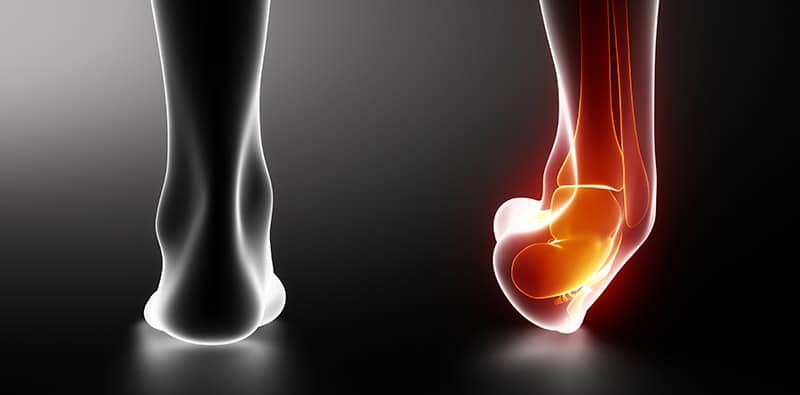
An ankle sprain occurs when the ligaments that support the ankle are stretched or torn. This typically happens when the foot twists, rolls, or turns beyond its normal range of motion.

Sports injuries involving the foot and ankle may also include damage to tendons, muscles, or bones, depending on the severity and type of activity involved.

Common Causes of Ankle Sprains and Sports Injuries

  • Sudden twisting or rolling of the ankle
  • High impact sports such as basketball, soccer, or running
  • Uneven walking or running surfaces
  • Improper footwear
  • Lack of warm up or stretching
  • Previous ankle injuries leading to instability

Symptoms of an Ankle Sprain or Sports Injury

  • Pain, especially when bearing weight
  • Swelling around the ankle or foot
  • Bruising or discoloration
  • Tenderness to touch
  • Limited range of motion
  • Instability or feeling that the ankle may give out

If symptoms persist or worsen, it is important to seek professional evaluation.

How We Diagnose Ankle and Sports Injuries

At LA Foot Laser, we use advanced diagnostic tools to accurately assess your condition:

  • Digital X rays performed in office to rule out fractures
  • Sonogram imaging to evaluate ligaments, tendons, and soft tissue
  • Physical examination to assess movement, stability, and pain points

These tools allow us to create a precise and personalized treatment plan.

Sports related injuries in Los Angeles

The Most Common Treatment and Recommendations That We Can Offer: 

  • Resting, avoiding walking long distances and standing for long periods stretching
  • Anti-inflammatory drugs (NSAIDs) and icing
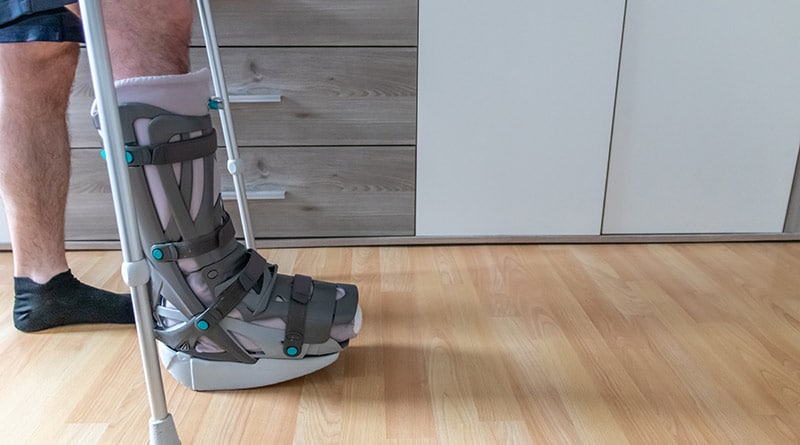
  • Supportive devices – Pneumatic cam walker boot, ankle brace
  • Physical therapy
  • Below knee fiberglass cast
  • Platelet-rich plasma (PRP) injections
  • Orthobiologics: Injectable Therapies
  • Minimally invasive surgery
  • Trigger point cortisone injection

Why Early Treatment Matters

Delaying care can lead to chronic pain, instability, and a higher risk of reinjury. Early intervention improves healing time, reduces complications, and helps you return to your normal activities faster.

Personalized Care for Every Patient

Every injury is different. At LA Foot Laser, we take a patient centered approach by considering your condition, activity level, and long term goals. Whether you are an athlete or simply want to stay active, we tailor your treatment plan to support a full recovery.

Sports Injuries in Los Angeles

Book an Appointment Today

If you are experiencing ankle pain, swelling, or difficulty walking, do not wait. Contact LA Foot Laser today to schedule a consultation and receive expert care tailored to your needs.

Frequently Asked Questions 

The healing time depends on the severity of the sprain. Mild sprains may improve within two to four weeks, while moderate to severe injuries can take several weeks to a few months. Following a proper treatment plan can help speed up recovery and reduce the risk of complications. 

It is best to limit weight bearing immediately after the injury to avoid worsening the damage. As healing progresses, your provider will guide you on when it is safe to gradually return to walking.

You should seek medical attention if you experience severe pain, significant swelling, bruising, numbness, or difficulty walking. Early evaluation helps ensure proper diagnosis and treatment. 

A sprain involves stretching or tearing of the ligaments, while a fracture is a break in the bone. Imaging such as an X ray is often needed to determine the exact cause of your symptoms. 

Some mild sprains may improve with rest and home care. However, professional evaluation and treatment are recommended to prevent chronic pain, instability, or repeated injuries. 

Common injuries include ligament sprains, tendon strains, stress fractures, and Achilles tendon injuries. These often occur during activities that involve running, jumping, or sudden direction changes. 

Platelet rich plasma PRP therapy uses a small sample of your own blood to isolate growth factors. These are then injected into the injured area to support natural healing and tissue repair. 

In many cases, physical therapy is highly recommended. It helps restore strength, flexibility, balance, and stability, which are essential for a full recovery and injury prevention. 

While not all injuries can be avoided, you can reduce your risk by wearing proper footwear, warming up before activity, strengthening the ankle muscles, and practicing balance exercises. 

Supportive shoes with good arch support, cushioning, and stability are recommended. Avoid high heels or unsupportive footwear during recovery. 

Yes, ankle braces and supportive devices can help stabilize the joint, reduce strain, and protect the ankle during the healing process or when returning to activity. 

Untreated ankle sprains can lead to chronic pain, joint instability, weakness, and an increased risk of repeated injuries over time. 

No, most ankle injuries can be treated with conservative, non surgical methods. Surgery is typically reserved for severe cases or when other treatments have not been effective. 

Rest, ice, compression, and elevation are commonly recommended to manage swelling and discomfort, especially during the first few days after injury. 

You can return to sports once the ankle has fully healed, strength and mobility have been restored, and you are pain free. Your provider will guide you to ensure a safe return and reduce the risk of reinjury.