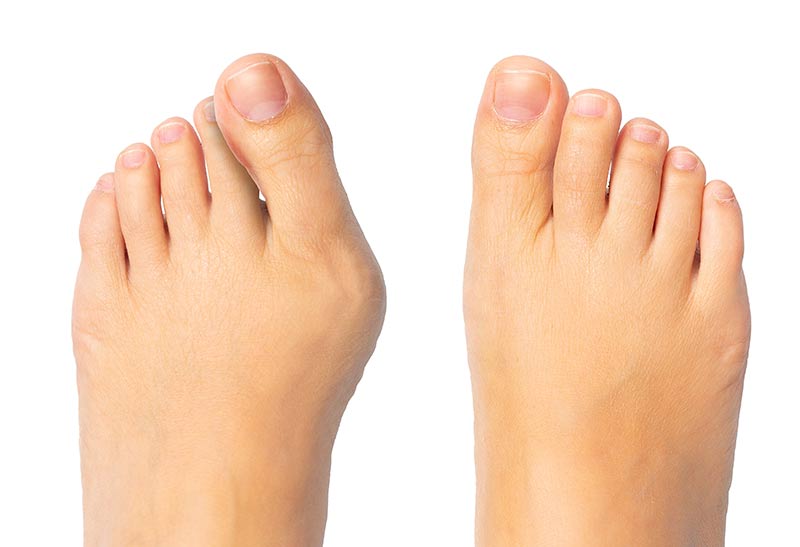
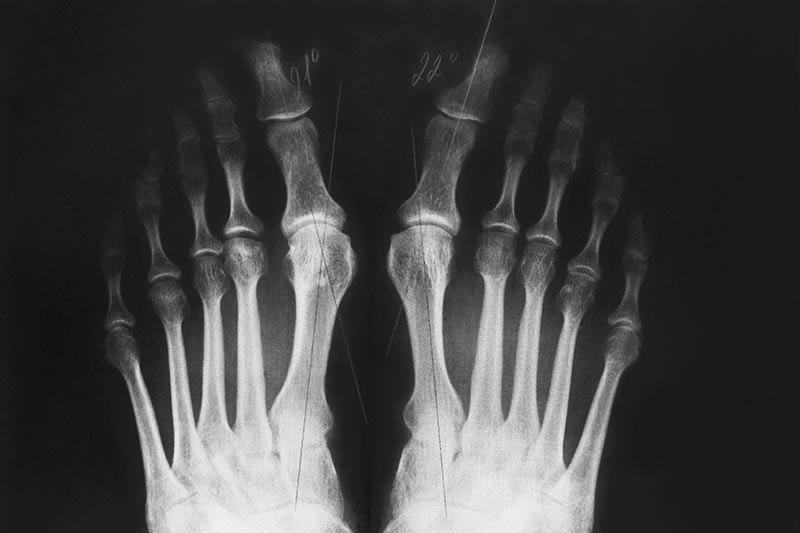
Surgery is typically considered when conservative treatments have failed to provide adequate relief, when the bunion deformity has become severe, or when pain is significantly limiting your ability to perform normal daily activities. Once surgery is deemed necessary, it should be performed by a qualified podiatric surgeon with experience in foot and ankle reconstructive procedures.
Bunion Surgery: Techniques and Approaches
Depending on the severity of the bunion, the correction may involve one or a combination of different surgical methods. The primary goal of each technique is to realign the bone and the joint into their anatomically correct position. Common approaches include:
Bone Shaving (Exostectomy)
This procedure removes the bony prominence at the side of the big toe joint to reduce the bump. It is typically used for mild bunions and is often combined with other techniques for more comprehensive correction.
Bone Cutting (Osteotomy)
Osteotomy involves making precise cuts in the bone to reposition it into proper alignment. The realigned bone is then stabilized with small screws, pins, or plates while it heals. There are several types of osteotomy techniques, and the most appropriate one is selected based on the degree of deformity.
Bone Fusion (Arthrodesis)
For severe bunion deformities or cases where the joint has been significantly damaged by arthritis, fusion of the bones in the joint may be the most reliable long-term solution. This procedure eliminates painful joint motion while providing a stable, corrected foot position.
Your surgeon will evaluate your X-rays, foot structure, activity level, and overall health to determine the most appropriate technique for your individual case.
Bunion Surgery Recovery: What to Expect
Recovery after bunion surgery varies from patient to patient and depends on several factors. In general, bone healing takes a minimum of six to eight weeks in healthy individuals. Most patients return to their normal activities and regular shoe gear within six weeks to three months.
Factors that influence recovery include:
- Age and overall general health
- Smoking status (smoking can significantly impair bone healing)
- Bone quality and density
- The specific procedure performed
- The type of fixation hardware used
During recovery, you may be required to wear a surgical boot or post-operative shoe to protect the foot. Physical therapy may also be recommended to restore strength, flexibility, and normal gait patterns. Your surgeon will provide a personalized recovery plan and follow-up schedule.
Bunion Care at LA Foot Laser
At LA Foot Laser, Dr. Kourosh Harounian, DPM, provides comprehensive evaluation and treatment for bunions at two convenient Los Angeles locations. With a thorough, patient-centered approach, Dr. Harounian takes the time to understand each patient’s symptoms, lifestyle, and treatment goals before recommending a care plan.
Whether you are seeking conservative relief or require surgical correction, our team is committed to helping you achieve lasting comfort and improved foot function. We believe that surgery should always be a thoughtful last resort, not the first option.