Flatfoot Condition Treatment Los Angeles

Personalized foot support designed around your unique anatomy, lifestyle, and activity level.

If you experience foot pain, leg pain, arch discomfort, or back pain after walking or standing for extended periods, your feet may not be getting the support they need. Many patients in Los Angeles come to LA Foot Laser after years of living with discomfort they assumed was just a normal part of life. In many cases, the root cause is a structural issue with the foot itself, and the solution is simpler than they expected: custom orthotics. 

At LA Foot Laser, our board-certified podiatrist provides custom orthotics that are precisely designed and molded to your foot. These are not the generic insoles you find at a drugstore. They are medical-grade devices, crafted specifically from the measurements, shape, and biomechanical needs of your individual foot.

What Are Custom Orthotics? 

Orthotic Insole Los Angeles

Custom orthotics are prescription medical devices inserted into your footwear to correct abnormal foot mechanics, redistribute pressure, and provide structural support tailored to your foot. Unlike over-the-counter insoles that offer one-size-fits-all cushioning, custom orthotics are made from a precise mold or digital scan of your foot, ensuring an accurate fit that addresses your specific condition. 

Think of them as a corrective tool, not just a comfort product. Custom orthotics work by realigning the foot and ankle, improving how your body distributes weight with every step. Over time, this can reduce pain, prevent further damage, and help you stay active without the limitations that foot problems often cause. 

How Flat Feet and Arch Loss Affect Your Entire Body

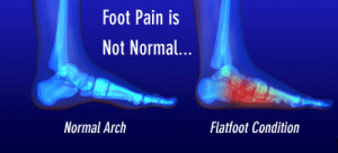
One of the most common reasons patients seek custom orthotics is a condition known as flat feet, or progressive arch loss. When the arch of the foot collapses or is underdeveloped, the entire biomechanical chain of the body is affected. The weight that should be distributed across the foot instead concentrates in the heel and ball of the foot, creating a ripple effect that reaches the knees, hips, and lower back. 

orthotic insole

In many patients, flat feet are also connected to the development of other conditions such as hammertoes and bunions. When the arch is low or absent, the toes are forced into unnatural positions due to increased pressure. Over time, this can lead to toe deformity, joint inflammation, and chronic pain. 

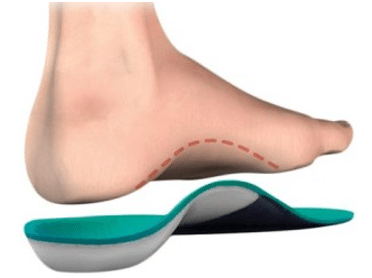
Custom orthotics address the problem at its source by creating a functional arch support designed specifically for your foot. This support redistributes pressure, improves alignment, and reduces the strain on structures that would otherwise compensate for the missing arch. 

Conditions Custom Orthotics Help Treat

Custom orthotics are effective for a wide range of foot and lower body conditions. Our podiatrist may recommend orthotics as a primary treatment or as part of a broader care plan for the following: 

  • Flat feet and progressive arch loss 
  • Plantar fasciitis and heel pain 
  • Heel spurs 
  • High arches (pes cavus) 
  • Bunions 
  • Hammertoes 
  • Metatarsalgia (ball-of-foot pain) 
  • Achilles tendinitis 
  • Diabetic foot complications 
  • Arthritis-related foot and ankle pain 
  • Shin splints and overuse injuries 
  • Knee, hip, and lower back pain linked to foot mechanics 
  • Sports injuries and performance-related foot issues 
  • Pediatric foot conditions in children 

How Custom Orthotics Work

Custom orthotics work by creating a precise supportive structure inside your shoe that your foot rests on with every step. For patients with flat feet, the orthotic creates what is commonly described as a functional arch. This artificial arch takes over the shock absorption role that a natural arch would normally perform, reducing the stress placed on the heel, ball of the foot, ankle, and lower leg. 

When you first begin wearing custom orthotics, they may feel firm or unusual, similar to the sensation of a tennis ball under your foot. This is entirely normal. Within a short adjustment period, most patients find that walking, running, and extended physical activity becomes significantly more comfortable. The orthotic gradually trains your foot to function in a more biomechanically sound position. 

It is important to understand that custom orthotics are not a cure-all. They are a highly effective tool for managing symptoms, preventing further damage, and in many cases helping patients avoid surgery. Your podiatrist will discuss realistic expectations with you during your consultation. 

The Custom Orthotics Process at LA Foot Laser

Getting custom orthotics at LA Foot Laser is a straightforward, patient-centered process. Here is what you can expect: 

Step 1: Comprehensive Foot Evaluation 

Your appointment begins with a thorough evaluation of your feet, gait, and medical history. Our podiatrist will assess your arch structure, alignment, range of motion, and any areas of pain or concern. This evaluation ensures that the orthotics prescribed are appropriate for your specific needs. 

Step 2: Foot Casting or Digital Scanning 

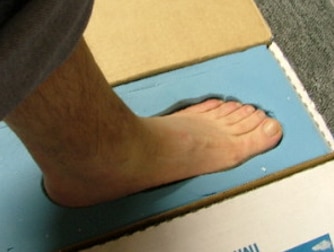
A precise mold or digital scan is taken of your foot to capture its exact dimensions and contours. This is the foundation of a truly custom orthotic and is what separates them from anything available off the shelf. 

Step 3: Laboratory Fabrication 

Your orthotics are fabricated at a professional laboratory using medical-grade materials selected based on your prescription. The type of material and construction will depend on the condition being treated and your activity level. 

Step 4: Fitting and Follow-Up 

Once your orthotics are ready, you will return for a fitting appointment. Our podiatrist will ensure proper placement in your footwear and make any necessary adjustments. Follow-up care is available to address any comfort concerns as you adjust to wearing them. 

Types of Custom Orthotics We Offer

Not all orthotics are the same. The type prescribed will depend on your diagnosis, lifestyle, and footwear needs. At LA Foot Laser, we provide the following types: 

Rigid or Functional Orthotics 

Made from firm materials such as carbon fiber or hard plastic. These are designed to control abnormal motion and correct structural problems such as overpronation. Best for everyday dress and casual shoes. 

Soft or Accommodative Orthotics 

Constructed from cushioning materials to relieve pressure and absorb shock. Commonly recommended for patients with diabetes, arthritis, or painful calluses. 

Semi-Rigid Orthotics 

A combination of soft cushioning layers and firm support. These offer both comfort and control and are often preferred by athletes and active patients. 

Sport-Specific Orthotics 

Engineered for specific footwear types such as running shoes, cycling shoes, or cleated footwear. These address the biomechanical demands of particular activities. 

Pediatric Orthotics 

Designed for children experiencing developmental foot concerns such as flat feet, in-toeing, or heel pain. Early intervention can prevent long-term complications. 

Related Services at LA Foot Laser

In addition to ingrown toenail removal and matrixectomy, Dr. Harounian and the LA Foot Laser team offer a comprehensive range of podiatric services to address all aspects of your foot and ankle health. 

Why Patients in Los Angeles Choose LA Foot Laser

LA Foot Laser is a trusted podiatric practice serving patients across the greater Los Angeles area, with two convenient clinic locations. Patients choose us for custom orthotics because of our combination of advanced technology, personalized care, and a genuine commitment to long-term outcomes. 

  • Experienced, board-certified podiatric care 
  • Precise casting and digital scanning technology for accurate orthotic fabrication 
  • Orthotics available for men, women, and children 
  • Solutions for everyday use, athletic performance, diabetic care, and more 
  • Two convenient locations in Metropolitan Los Angeles and West Los Angeles 
  • Patient-first approach with thorough consultations and follow-up care 

Ready to Get Relief? Schedule Your Custom Orthotics Fitting Today.

If you are experiencing foot pain, heel discomfort, or any of the conditions listed above, custom orthotics may be the right solution for you. LA Foot Laser serves patients throughout Los Angeles with expert podiatric care designed to improve your quality of life. Contact us today to schedule your consultation. 

Metropolitan LA: 1832 W. 7th Street, Los Angeles, CA 90057 | Tel. (424) 205-5218 

West LA: 11540 Santa Monica Blvd., Suite 203, Los Angeles, CA 90025 | Tel. (424) 429-6311 

Frequently Asked Questions About Custom Orthotics 

Below are answers to the most common questions our patients ask about custom orthotics at LA Foot Laser. 

Store-bought insoles are mass-produced for a generic foot shape. They offer basic cushioning but do not address your specific foot structure or condition. Custom orthotics are prescription devices made from a precise mold or scan of your foot. They are designed to correct your individual biomechanics, which makes them far more effective for treating and preventing foot conditions. 

You may benefit from custom orthotics if you experience chronic foot pain, heel pain, arch pain, or leg discomfort, especially after long periods of walking or standing. Other signs include flat feet, high arches, recurring injuries, or a diagnosis of plantar fasciitis, bunions, or hammertoes. A consultation with our podiatrist is the best way to determine whether orthotics are right for you.

Many health insurance plans, including some Medicare plans, cover custom orthotics when prescribed by a licensed physician for a medically necessary condition. Coverage varies by plan and diagnosis. Our office team can help verify your benefits and walk you through your options before your appointment. 

After your foot evaluation and casting or scanning appointment, orthotics are typically fabricated within one to three weeks depending on the laboratory. Our team will provide you with a timeline at the time of your fitting appointment and will notify you as soon as your orthotics are ready. 

In most cases, yes. Custom orthotics are designed to fit within standard athletic shoes, walking shoes, and many casual shoes. For patients who wear dress shoes, heels, or specialty footwear such as cleats, orthotics can often be trimmed or fabricated in a low-profile design to accommodate different styles. 

With proper care, custom orthotics typically last two to five years, though this depends on factors such as activity level, body weight, and the type of materials used. Rigid orthotics tend to last longer than soft accommodative types. Our podiatrist will advise you on when a replacement or adjustment may be needed. 

Medicare Part B may cover therapeutic shoe inserts, including custom orthotics, for patients with diabetes who meet specific criteria. Coverage for non-diabetic patients varies. We recommend calling our office so we can review your Medicare plan and determine what is available to you. 

Most patients go through a brief adjustment period of one to two weeks. During this time, your foot and leg muscles are adapting to the new support and alignment. It is normal to experience mild soreness at first, similar to breaking in new athletic shoes. We recommend starting with a few hours of wear per day and gradually increasing to full-time use. 

In many cases, yes. Custom orthotics are an effective conservative treatment that can slow or halt the progression of conditions like bunions, hammertoes, and plantar fasciitis. By correcting abnormal mechanics early, they can often reduce or eliminate the need for surgical intervention. Our podiatrist will give you an honest assessment of your specific situation. 

Yes. Pediatric orthotics are available for children who are experiencing flat feet, in-toeing, heel pain, or other developmental foot conditions. Early treatment is often the most effective approach, as children’s feet are still developing and respond well to corrective support. Our podiatrist is experienced in evaluating and treating foot conditions in patients of all ages. 

Athletic shoes and walking shoes with a removable insole work best with custom orthotics, as they provide enough depth and space for the device to fit properly. Shoes with adequate toe box width and a firm heel counter also help the orthotic function as intended. Our podiatrist can offer guidance on footwear choices during your visit. 

Yes, and in most cases it is recommended. Foot mechanics are closely connected between both feet, and an imbalance on one side often affects the other over time. Wearing orthotics in both shoes helps maintain overall alignment and prevents compensatory strain from developing on the unaffected side. 

Absolutely. Custom orthotics are widely used in sports medicine to improve performance, prevent overuse injuries, and support recovery. Athletes who participate in running, cycling, basketball, soccer, and other high-impact activities can benefit from sport-specific orthotics designed to handle the demands of their activity while keeping the foot properly aligned. 

Custom orthotics should be cleaned regularly with a damp cloth and mild soap. Allow them to air dry completely before placing them back into your shoes. Avoid exposing them to excessive heat, such as leaving them in a hot car, as this can warp the materials. Store them in a cool, dry place when not in use. Bring them to your follow-up appointments so our podiatrist can check for wear and make any necessary adjustments. 

If discomfort persists beyond the initial adjustment period, contact our office. Orthotics can be adjusted or modified to improve fit and comfort. It is important not to assume that ongoing pain is normal. Our podiatrist is available for follow-up visits to fine-tune your orthotics and ensure they are working as intended for your specific needs.