
Matrixectomy - Ingrown Toenail Removal Los Angeles

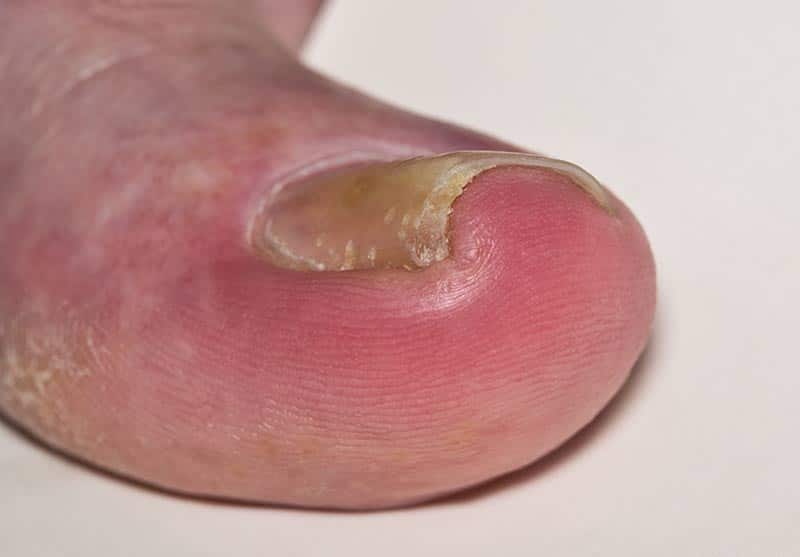
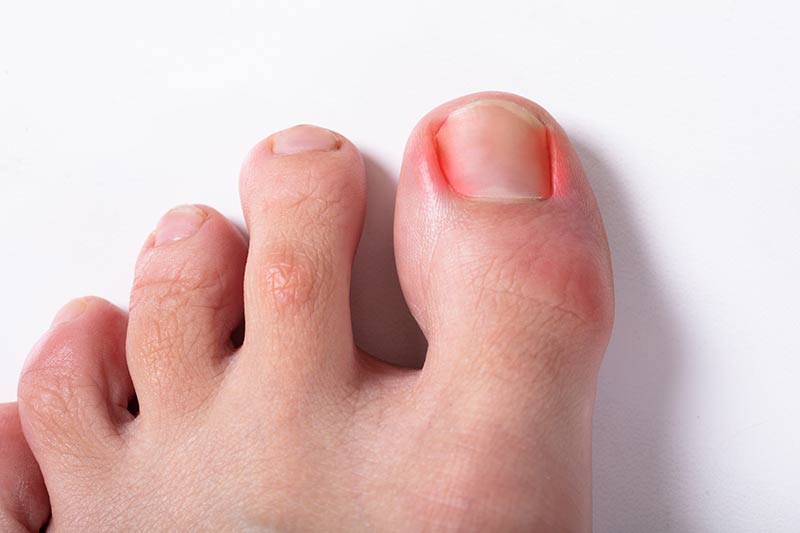
An ingrown toenail is one of the most common and painful foot conditions that people experience. It occurs when the edge or corner of a toenail grows downward into the surrounding skin instead of over it, causing persistent discomfort, swelling, redness, and in many cases, infection. While the big toe is most frequently affected, any toenail can become ingrown.

At LA Foot Laser, Dr. Kourosh Harounian offers expert, compassionate care for ingrown toenails at two convenient locations in Los Angeles. Whether your condition is mild or has been bothering you for months, our team provides effective solutions that bring fast, lasting relief so you can get back to living your life without foot pain.

What Is an Ingrown Toenail?

An ingrown toenail, medically known as onychocryptosis, develops when the edge of the nail curves and grows into the soft tissue surrounding the toe. This creates a sharp pressure point that irritates the skin, leading to inflammation, pain, and sometimes a break in the skin that allows bacteria to enter. Left untreated, the condition typically worsens over time, and what begins as a minor annoyance can progress into a serious infection requiring more intensive treatment.

Ingrown toenails are extremely common. Studies estimate that approximately one in twenty people will develop an ingrown toenail at some point in their lives, making it one of the most frequently treated conditions in podiatric medicine. People of all ages can be affected, from children and teenagers to adults and seniors.

What Causes an Ingrown Toenail?

Several factors can contribute to the development of an ingrown toenail. Understanding the cause is an important part of both treating the current problem and preventing it from recurring.

  •     Improper nail trimming
  •     Tight or narrow footwear
  •     Genetic nail shape
  •     Foot trauma
  •     Poor foot hygiene
  •     Nail conditions
  •     Structural foot problems

Symptoms of an Ingrown Toenail

Ingrown toenails present with a recognizable set of symptoms that typically worsen as the condition progresses. Recognizing these signs early allows for simpler, less invasive treatment.

Early Stage Symptoms

  •     Pain or tenderness along one or both sides of the toenail
  •     Slight redness or pinkness of the skin bordering the nail
  •     Mild swelling near the nail edge
  •     Sensitivity when pressure is applied to the toe

Moderate Stage Symptoms

  •     Increased swelling and redness around the nail
  •     Skin beginning to grow over the nail edge
  •     Persistent pain that makes wearing shoes uncomfortable
  •     A feeling of warmth in the affected toe

Advanced Stage Symptoms

  •     Pus or watery discharge draining from the affected area
  •     A foul odor coming from the toe
  •     Bright red skin that is hot to the touch
  •     Tissue overgrowth around the nail creating a raised, bulging appearance
  •     Difficulty walking or bearing weight on the foot
  •     Fever in rare cases, indicating a spreading infection
Important: If you notice any discharge, spreading redness, or warmth extending beyond the toe, seek professional care immediately. These are signs of infection that can become serious if left untreated, particularly in patients with diabetes, poor circulation, or a compromised immune system.

When Should You See a Doctor?

Not every ingrown toenail requires a visit to the doctor, but many do. Home remedies can sometimes manage mild cases in otherwise healthy individuals, but professional care is necessary in the following situations.

Seek Professional Care If You Experience Any of the Following

  •     Pain that persists or worsens despite several days of home treatment
  •     Any sign of infection, including pus, increasing redness, warmth, or swelling
  •     A toenail that has become ingrown more than once on the same toe
  •     Skin growing visibly over the nail edge
  •     Difficulty walking, wearing shoes, or carrying out daily activities
  •     A toenail that appears to be causing bleeding or open wounds around the nail

See Us Immediately If You Have Any of the Following Conditions

  •     Diabetes
  •     Peripheral vascular disease or poor circulation
  •     Nerve damage in the feet
  •     A weakened immune system
Patients with diabetes or compromised circulation should never attempt to treat an ingrown toenail at home. Even a minor infection in a diabetic foot can progress rapidly and lead to serious complications. Please contact our office at the first sign of any nail problem.

What to Expect During Your Procedure

Ingrown Toenail Repair Los Angeles

At LA Foot Laser, ingrown toenail removal is a straightforward outpatient procedure performed right in our office. The process is safe, efficient, and designed to provide both immediate relief and long-term results. Most patients are surprised by how quick and comfortable the experience is.

Step 1: Consultation and Examination

Dr. Harounian will examine the affected toe, review your medical history, and assess the severity of the ingrown nail. He will discuss your treatment options with you and answer any questions before the procedure begins. No procedure is performed without your full understanding and consent.

Step 2: Local Anesthesia

A local anesthetic is injected into the base of the toe to completely numb the area. You will feel a brief pinching sensation from the injection, but after that the toe will be entirely numb and you will feel no pain during the procedure. Most patients are pleasantly surprised by how comfortable this part is.

Step 3: Nail Removal

Once the area is numb, Dr. Harounian carefully removes either the ingrown portion of the nail or, in cases of severe or total nail involvement, the entire nail. The process to remove an ingrown toenail involves removing part or all of the nail and treating the nail bed underneath if needed. The entire procedure typically takes less than 15 minutes, though this can vary if multiple toenails are being treated.

Step 4: Nail Bed Treatment

If the nail bed has been affected by the ingrowth or accompanying infection, it will be cleaned and treated at this stage. This may involve applying an antiseptic solution or removing any infected tissue to ensure proper healing.

Step 5: Matrixectomy if Indicated

In cases where the ingrown toenail is recurring or where the nail is particularly curved or problematic, a small portion of the nail root, called the matrix, is also removed or chemically cauterized. This procedure is known as a matrixectomy. By treating the nail matrix, Dr. Harounian prevents the ingrown section from ever regrowing, providing a permanent solution to the problem. A matrixectomy does not require incisions and is performed with the toe still fully anesthetized.

Step 6: Bandaging and Aftercare Instructions

A light bandage is applied to the toe at the end of the procedure. Dr. Harounian and his team will provide you with clear, detailed aftercare instructions before you leave the office. Most patients walk out of the office on their own and are able to resume light activities the same day.

How Long Does the Procedure Take?

The ingrown toenail removal procedure typically takes fewer than 15 minutes from start to finish. Patients who require treatment on multiple toes or who have more advanced infections may take slightly longer. Your total office visit, including consultation and aftercare instructions, is usually completed within 30 to 45 minutes.

What Is a Matrixectomy?

A matrixectomy permanently addresses recurring ingrown toenails by treating the nail matrix, the tissue responsible for nail growth. After the ingrown nail is removed, a small amount of chemical agent, most commonly phenol, is applied to prevent the problematic edge from regrowing. In some cases, laser energy is used instead, offering additional precision and reduced post-procedure drainage.

Following a matrixectomy, the nail will appear slightly narrower but otherwise natural. It is not always necessary. Dr. Harounian recommends it for recurring ingrown nails or significantly curved nail shapes. For a first-time ingrown toenail, a simple partial nail avulsion is often all that is needed. He will evaluate your situation and recommend the most appropriate approach.

Recovery and Aftercare

Recovery is quick for most patients. You will be able to walk out of the office the same day, and most people return to normal activities within 24 to 48 hours. The toe will remain numb for one to three hours after the procedure, and any mild soreness that follows is easily managed with over-the-counter pain relievers.

For the first week, keep the toe clean and dry, apply any prescribed ointment, and wear open-toed shoes to avoid pressure on the nail. Avoid strenuous activity during this time. Some minor drainage in the first few days after a matrixectomy is normal. Full resolution of swelling and redness typically occurs within two to four weeks.

Contact our office if you experience increasing pain, significant swelling, pus, or spreading redness during recovery. These symptoms are uncommon but should be evaluated promptly.

Why Choose LA Foot Laser?

LA Foot Laser is a specialized foot care clinic, not a general practice. Dr. Kourosh Harounian, DPM, performs ingrown toenail removal and matrixectomy procedures routinely, using advanced laser technology for greater precision and faster healing. All treatments are done in-office with no hospital visit or general anesthesia required.

  •     Expert podiatric care from a dedicated foot specialist
  •     Advanced laser technology for precise, comfortable procedures
  •     In-office treatments with same-day walking recovery
  •     Same-week appointments available at two Los Angeles locations
  •     Bilingual care in English and Spanish
  •     Personalized treatment plans tailored to your condition and lifestyle

Related Services at LA Foot Laser

In addition to ingrown toenail removal and matrixectomy, Dr. Harounian and the LA Foot Laser team offer a comprehensive range of podiatric services to address all aspects of your foot and ankle health.

Preventing Ingrown Toenails

Many ingrown toenails can be avoided with a few simple habits. The most important steps are trimming nails straight across rather than rounding the corners, wearing shoes with adequate room in the toe box, and keeping your feet clean and dry. Avoid cutting nails too short, and choose athletic footwear that fits properly to reduce pressure during physical activity.

If you have had ingrown toenails before, address any nail fungus early, inspect your toenails regularly, and ask Dr. Harounian whether custom orthotics could help correct any underlying foot structure issues contributing to the problem.

Frequently Asked Questions About Ingrown Toenail Removal

The procedure itself is performed under local anesthesia, so you will not feel any pain during the removal. The injection of the anesthetic may cause a brief, mild pinching sensation, but once the toe is numb the procedure is entirely comfortable. After the anesthesia wears off, some patients experience mild soreness for a day or two, which is easily managed with over-the-counter pain relievers such as ibuprofen. The vast majority of patients are surprised by how comfortable the entire experience is.

The removal procedure itself typically takes fewer than 15 minutes to complete. Your total office visit, including the initial consultation, the procedure, and the review of aftercare instructions, is usually finished within 30 to 45 minutes. If multiple toenails are being treated at the same time, the visit may take slightly longer.

Yes. Most patients are able to walk out of the office comfortably after the procedure. Because the anesthesia will still be active for one to three hours, you will feel no discomfort in the toe during that time. We recommend wearing open-toed shoes or sandals to the appointment to avoid any pressure on the treated nail.

Most patients return to their regular daily activities within 24 to 48 hours of the procedure. More strenuous activities, such as running or prolonged standing, are typically comfortable to resume within one week. Full healing of the nail bed and surrounding tissue generally occurs within two to four weeks, though this can vary depending on the severity of the initial condition.

A nail avulsion involves removing part or all of the ingrown nail. It provides immediate relief but does not necessarily prevent the nail from regrowing in the same manner. A matrixectomy goes one step further by treating the nail root, or matrix, to permanently prevent the removed portion from regrowing. For patients with recurring ingrown toenails, a matrixectomy is generally the more effective long-term solution.

If only a nail avulsion is performed, there is a possibility that the nail will regrow in the same manner over time. If a matrixectomy is performed along with the nail removal, the treated portion of the nail will not regrow, making recurrence in that specific area extremely unlikely. Dr. Harounian will discuss which approach is most appropriate based on your history and the nature of your condition.

After a matrixectomy, the toenail will appear slightly narrower than it did before the procedure, since the problematic edge has been permanently removed. However, the nail will otherwise look natural and normal. The healthy remainder of the nail continues to grow as usual. Most patients find the cosmetic result to be very acceptable, particularly in comparison to the ongoing pain and infection they were experiencing before treatment.

Mild, early-stage ingrown toenails without any signs of infection may be managed at home with warm water soaks and proper nail care in healthy individuals. However, it is never safe to attempt to cut out or dig around an ingrown nail at home, as this significantly increases the risk of serious infection. Anyone with diabetes, poor circulation, nerve damage in the feet, or any sign of infection should seek professional care immediately rather than attempting home treatment.

Yes. Ingrown toenails are common in children and adolescents, particularly during periods of rapid growth. Dr. Harounian is experienced in treating patients of all ages in a calm, reassuring, and gentle manner. Parents are welcome to be present throughout the procedure to provide comfort and support.

Yes, and it is especially important that you do. Patients with diabetes are at a higher risk of developing serious complications from even minor foot problems, including ingrown toenails, because of reduced circulation and potential nerve damage that can impair normal healing and pain sensation. Dr. Harounian has significant experience managing ingrown toenails in diabetic patients and will take all necessary precautions to ensure safe, effective treatment. Please do not attempt to treat an ingrown toenail at home if you have diabetes.

For patients whose ingrown toenails are caused by naturally curved or wide nail shapes, it can be difficult to prevent them entirely through lifestyle changes alone. In these cases, a matrixectomy provides a permanent solution by preventing the problematic nail edge from regrowing. For patients whose ingrown toenails are primarily caused by improper nail trimming or footwear choices, adopting proper nail care habits and wearing appropriate shoes can significantly reduce the risk of recurrence.

We work hard to accommodate patients experiencing foot pain as quickly as possible. Same-week appointments are often available at both of our Los Angeles locations. You can book an appointment online or call us directly at (424) 328-4261 for our Metropolitan LA office or (424) 328-1003 for our West LA office.

Please contact our office directly to discuss your specific insurance plan and coverage. Our team will be happy to assist you in understanding your benefits and any out-of-pocket costs before your appointment. We want to make sure that cost is not a barrier to you receiving the care you need.

Yes. LA Foot Laser offers laser-assisted treatment options for both the matrixectomy component of ingrown toenail removal and the treatment of any associated fungal infection in the nail. Laser treatment offers the advantages of greater precision, reduced post-procedure drainage, and in many cases faster healing compared to traditional chemical methods. Dr. Harounian will assess your condition and discuss whether laser treatment is appropriate and beneficial for your specific situation.

No special preparation is required before your ingrown toenail appointment. We recommend wearing open-toed shoes or sandals to the visit so that you can leave comfortably after the procedure. Bring a list of any current medications you are taking, including over-the-counter supplements, as well as any relevant medical history such as diabetes or circulation conditions. If you have had a previous ingrown toenail procedure elsewhere, it is helpful to share that information with Dr. Harounian as well.

Schedule Your Appointment Today

You do not have to live with the pain and discomfort of an ingrown toenail. Relief is often available in a single short office visit, and Dr. Harounian is committed to making the experience as comfortable and stress-free as possible.

Contact us today to schedule your appointment at either of our two convenient Los Angeles locations. Same-week appointments are frequently available, and our friendly team is ready to help you take the first step toward pain-free feet.


Metropolitan LA

1832 W. 7th Street

Los Angeles, CA 90057

(213) 484-0040

Mon to Fri: 8:30 AM to 5:30 PM

Saturday: 9:00 AM to 1:00 PM

West LA

11540 Santa Monica Blvd.

Suite 203, Los Angeles, CA 90025

(310) 477-9210

Mon to Fri: 8:30 AM to 5:30 PM

Saturday: 9:00 AM to 1:00 PM


Book your appointment online at lafootlaser.com or call us today. We look forward to helping you.