
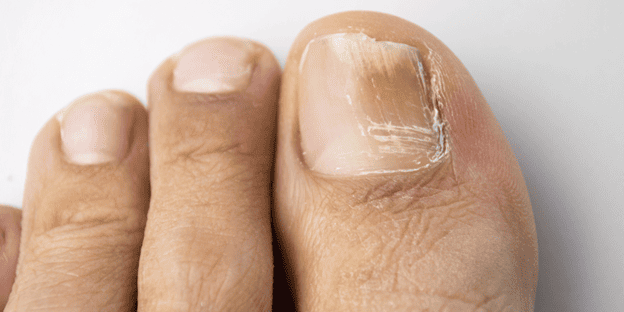
Toenail fungus is one of the most common nail conditions treated by podiatrists, and it rarely clears without appropriate treatment. Many people looking into toenail fungus treatment ask the same question: Is laser therapy or oral medication the better choice? Both can help clear up a fungal infection, but they work in different ways. Each one has its own benefits and downsides.
Because not every thick or discolored nail is caused by a fungal infection, your podiatrist may recommend confirming the diagnosis before beginning treatment.
There is no single answer that works for everyone. The right choice depends on how bad the infection is, your overall health, any medicine you already take, and what you want from treatment. This article explains how each option works, what to expect, and how a podiatrist helps you decide between laser treatment and oral medication for your specific case.
Why Treating Toenail Fungus Early Makes a Difference
Toenail fungus usually doesn’t clear up without treatment. If left alone, the infection can spread to other toenails or even to the skin around them. What starts as one small discolored spot can slowly turn into a bigger problem.
As the infection gets worse, nails often become thicker and more brittle. They can also become harder to trim safely. This can make basic foot care more difficult and sometimes painful. Waiting too long to seek treatment can allow the infection to spread to additional nails, making treatment more involved and extending the time needed for healthy nail growth.
Also Read: 3 Types of Toenail Fungus: Signs and Symptom
How Oral Antifungal Medication Works
Oral medication for toenail fungus usually means taking a prescription pill, such as terbinafine. The medicine travels through your bloodstream to reach the nail bed, where the fungus lives. This lets it work from the inside as a new, healthy nail grows in.
Treatment often lasts several weeks to a few months, depending on the medication and the severity of the infection. Since results depend on new nail growing in and pushing out the old infected nail, you may not see full results until months after you start. Taking the medicine exactly as your doctor says, for the full length of time, matters for getting good results.
Potential Benefits
- May work well for infections that have spread further
- Treats fungus under the nail, not just on top of it
- An established treatment option with a long history of clinical use.
Things Patients Should Consider
Oral antifungal pills can interact with other medicines. Your doctor may check what you already take before prescribing one. Some patients also need blood tests during treatment to check how well their liver is working, since the liver helps break down this medicine.
This type of medicine is not right for everyone. People with certain liver problems, or those on specific other drugs, may need to look at other treatment options. It also helps to remember that seeing results still depends on nail growth, which takes time, no matter how well the medicine works.
How Laser Toenail Fungus Treatment Works
Laser toenail fungus treatment is a non-invasive treatment done right in the office. During treatment, the laser delivers light energy to the nail and the skin beneath it. The laser delivers concentrated light energy through the nail to target fungal organisms within and beneath the nail plate.
Many patients can return to their normal daily activities right after treatment. This makes laser therapy a good fit for people with busy schedules or for those who would rather not take a pill that affects the whole body. Since the laser is aimed right at the nail, it doesn’t travel through the bloodstream the way oral medicine does.
Potential Benefits
- Doesn’t require taking medicine that affects your whole body
- No downtime needed to recover after each session
- A helpful choice for patients who can’t take oral antifungal pills
- Many patients describe the treatment as comfortable
Things Patients Should Consider
Some patients need more than one laser session, spaced a few weeks apart, depending on the severity of the infection. As with oral medicine, healthy nail growth takes time, so results don’t appear right away. How much the nail improves can also differ from person to person, which is why an in-person check-up is important before you begin.
Also Read: The Dangers of Relying on Home Remedies to Treat Toenail Fungus
Laser Treatment vs. Oral Medication: Side-by-Side Comparison
Every patient’s case is different, but seeing the key differences laid out together often helps clarify the choice. The table below compares the two treatments across the factors that matter most, from how they work to how long results take to appear.
| Category | Laser Treatment | Oral Medication |
|---|---|---|
| How it works | Laser light targets fungus right at the nail | Medicine travels through the blood to reach the nail |
| Treatment duration | A few sessions over several weeks | Daily use for several weeks to a few months |
| Downtime | None, back to normal activities right away | None, but requires taking medicine every day |
| Potential side effects | Mild, many patients handle it well | May include upset stomach or changes in liver function |
| Follow-up requirements | Visits to check on nail growth over time | Visits and possible blood tests |
| Candidate considerations | Good for those who can’t take pills that affect the whole body | Needs a review of liver health and current medicines |
| Time to noticeable improvement | Several months, as new nail grows in | Several months, as new nail grows in |
Which Treatment May Be Right for You?
How bad the infection is plays a big part in this decision. A mild case on one nail may need different care than a larger infection that has spread to several nails. Your podiatrist will closely assess how far the infection has spread before making a recommendation.
Your overall health and medical history matter too, especially if you have liver problems or take medicine that could interact with oral antifungal pills. Your treatment preferences also play an important role in selecting the most appropriate option. Others have already tried creams or other treatments without much luck and want to try something new. Your past treatments, current medicines, and personal choices all come together when your podiatrist helps you decide on a plan.
Can Laser Treatment and Oral Medication Be Used Together?
For some patients, using both laser treatment and oral medicine together may help. This is not the normal plan for everyone. It depends on each person’s case, including how far the infection has spread and what the podiatrist sees during your visit.
Your podiatrist may recommend combining laser treatment with oral antifungal medication when the infection is more extensive or difficult to treat. Your provider will talk with you about whether this makes sense for your case and explain what to expect if you use both treatments together.
What Patients Often Overlook About Toenail Fungus Treatment
Clearing the fungus is only part of the process. Healthy nail growth takes several months, so it helps to be patient even after treatment begins to work. Even after the fungus has been treated, it takes time for a healthy nail to grow in and replace the damaged portion.
Stopping the infection from coming back matters just as much as treating it the first time. This means good shoe habits, like wearing socks that pull away moisture and letting shoes fully dry between wears. These small daily habits help protect the results you worked for. Follow-up visits may also be a good idea, so your podiatrist can check nail growth and catch any early signs of the infection returning.
Choosing the Best Toenail Fungus Treatment Starts With the Right Evaluation
Neither laser treatment nor oral medication is automatically the best treatment for every patient with toenail fungus. The most appropriate option depends on several factors, including the severity of the infection, the extent of nail involvement, your overall health, any underlying medical conditions, and your treatment goals. What works well for one person may not be the best choice for another.
A thorough evaluation gives your specialist a complete picture of the infection before recommending treatment. By examining the affected nails, reviewing your medical history, and assessing the extent of the infection, your provider can recommend an approach that fits your specific situation. This personalized approach helps ensure that treatment is based on your individual needs and the characteristics of your infection.
Also Read: PinPointe Foot Laser: A Modern Remedy for Persistent Toenail Fungus
Schedule Your Evaluation
If you are dealing with a toenail that is thick, discolored, or just will not clear up, now may be the time to look into your options. The team at LA Foot Laser can assess the severity of your infection, walk you through toenail fungus treatment options in Los Angeles, and suggest a plan designed for your needs.
If you’re ready to treat persistent toenail fungus, schedule an evaluation with LA Foot Laser. We’ll assess the severity of your infection, explain your treatment options, and recommend a personalized plan designed for long-term nail health.
FAQs
1. Is laser treatment or oral medication more effective for toenail fungus?
It depends on your case. Some patients do well with laser therapy alone, while others with more advanced infections may do better with oral medicine or a combination of both.
2. Who is a good candidate for laser toenail fungus treatment?
Patients who want a non-invasive toenail fungus treatment, can’t take oral antifungal pills for health reasons, or would rather skip medicine that affects the whole body, are often good candidates.
3. What are the side effects of oral antifungal medication?
Oral antifungal medication side effects can include an upset stomach and changes in liver function. This is why some patients need blood tests during treatment.
4. Can laser treatment and oral medication be used together?
Yes, in some cases. Whether both are used together depends on how bad the infection is and what your podiatrist finds during your check-up.
5. How does a podiatrist determine the best toenail fungus treatment?
A podiatrist considers how far the infection has spread, your medical history, current medications, and your preferences.