

Living with nerve pain in your feet can be frustrating, isolating, and disruptive to everyday life. The tingling, burning, and shooting sensations that come with neuropathy can make even the simplest tasks difficult. For some, the pain is constant. For others, it comes in unpredictable waves that interrupt sleep, concentration, and movement.
There are many treatment options available for foot nerve pain, including medications, physical therapy, nerve blocks, and more. One of the newer, promising approaches is Scrambler Therapy, a non-invasive technique designed to change how your brain processes pain in your feet.
Dr. Kourosh Harounian offers Scrambler Therapy at LA Foot Laser for foot nerve pain.
Here’s a brief breakdown of how Scrambler Therapy compares to traditional podiatry nerve pain treatments so you can make an informed decision.
What Is Neuropathic Pain of the Foot?
Neuropathic pain, or nerve pain, is caused by damage or dysfunction in the nervous system. Unlike the pain from a cut or muscle strain, neuropathic pain stems from faulty signaling in your nerves. The nerves may be sending pain messages to the brain even when there’s no actual injury present.
This type of pain can feel like burning, tingling, stabbing, or electrical sensations. It often occurs in the hands, feet, arms, or legs, but it can also affect other parts of the body. Sometimes it’s constant, while in other cases, it comes and goes. Individuals with neuropathic foot pain may also experience numbness, increased sensitivity, or a lack of coordination.
There are many causes of neuropathy, including:
- Diabetes
- Chemotherapy treatments
- Infections such as shingles
- Physical injuries
- Autoimmune diseases
- Vitamin deficiencies
- Idiopathic origins (no identifiable cause)
Because nerve pain in the feet is chronic and often resistant to standard treatments, many individuals seek new or alternative therapies to find relief.
A Look at Traditional Nerve Pain Treatments
Traditional treatments for neuropathic pain typically aim to manage symptoms and improve function, although they rarely cure the underlying nerve damage. These treatments include medications, physical therapy, topical treatments, electrical stimulation, and occasionally surgery.
Medications
A wide variety of medications are used to manage nerve pain. These include:
- Antidepressants like amitriptyline and duloxetine, which affect brain chemicals involved in pain perception
- Anticonvulsants such as gabapentin and pregabalin, which calm nerve activity
- Topical creams and patches, including lidocaine and capsaicin, that can numb localized pain
- Opioids, which are prescribed in very limited cases due to their risk of addiction and side effects
While medications are widely used and easily accessible, they often come with significant side effects like drowsiness, dizziness, or weight gain. In many cases, they only partially reduce symptoms and may lose effectiveness over time.
Physical Therapy
Physical therapy focuses on improving muscle strength, flexibility, and balance. It also promotes better blood flow to affected areas, which can support nerve health. While physical therapy may not directly treat nerve damage, it can help reduce discomfort and restore mobility, especially for patients with diabetic neuropathy or injuries.
Nerve Blocks and Injections
These involve injecting anesthetic or anti-inflammatory medication around specific nerves or areas where pain is concentrated. The relief can be immediate but is usually temporary. Nerve blocks are often used when pain is severe and not responding to other forms of treatment.
TENS Devices
Transcutaneous electrical nerve stimulation (TENS) is a home-based device that sends mild electrical impulses through the skin to stimulate nerves and reduce pain signals. Although TENS may offer temporary relief, it doesn’t change the way the brain interprets pain over time.
Surgery
In rare cases where nerve compression or structural damage is the root cause of pain, surgery may be recommended. This is typically reserved for patients with identifiable mechanical problems, such as herniated discs or tumors pressing on nerves.
What Is Scrambler Therapy?
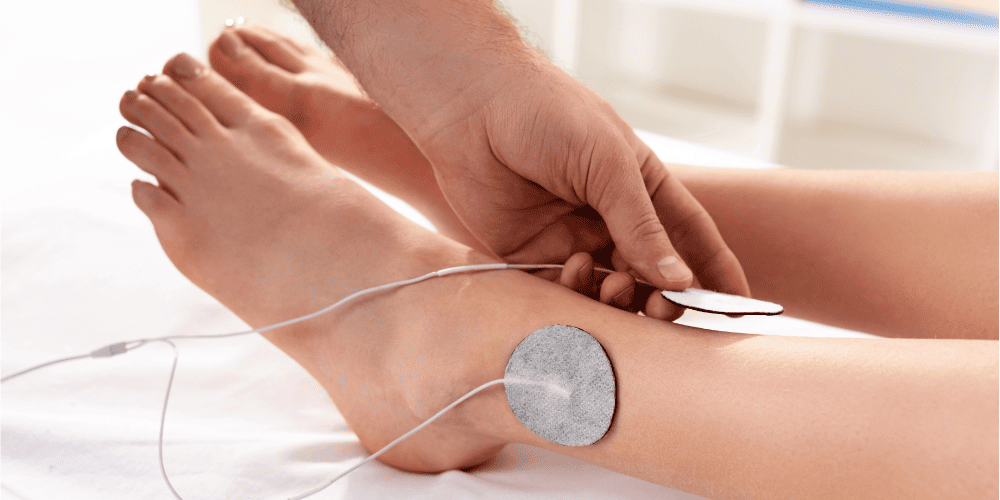
Scrambler Therapy is a modern, non-invasive treatment for chronic neuropathic pain, especially for individuals with foot pain. It works by delivering synthetic, non-pain signals to the nervous system through electrodes placed on the skin. These signals are designed to replace the pain messages that your nerves are constantly sending to your brain.
The therapy uses a specialized machine that identifies the pain areas and sends electrical information that mimics normal nerve activity. Over time, it retrains the brain so that it no longer interprets those signals as pain.
Unlike TENS, which simply blocks pain signals temporarily, Scrambler Therapy reprograms the nervous system’s response to pain. It is FDA-cleared and has been used in clinics across the world with positive outcomes, especially for patients with chronic, treatment-resistant pain.
How Scrambler Therapy Stacks Up Against Traditional Options
Scrambler Therapy offers several benefits that may make it an attractive option for certain patients. It is drug-free, non-invasive, and typically well-tolerated. Treatments are generally painless, and sessions take about 30 to 45 minutes. A typical course involves 10 to 12 sessions over a few weeks.
So, who can benefit the most from Scrambler Therapy from a podiatrist?
- Those who experience side effects from medications
- Individuals who want to avoid long-term drug use
- Individuals whose pain has not improved with other methods
- Those looking for a non-invasive, innovative solution
Clinical studies have shown that Scrambler Therapy can provide significant, lasting relief for conditions such as chemotherapy-induced neuropathy, post-surgical nerve pain, and diabetic neuropathy.
What to Discuss With Your Doctor
Choosing the right therapy begins with asking the right questions. Consider the following when speaking with your healthcare provider:
- Is my type of neuropathy likely to respond to Scrambler Therapy?
- Have I tried all appropriate medications or therapies first?
- Can Scrambler Therapy be combined with my current treatment plan?
- Are there any risks or reasons I shouldn’t try Scrambler Therapy?
Dr. Harounian encourages patients to be proactive and honest about their treatment history, symptom patterns, and personal preferences.
Conclusion
Nerve pain of the feet is not a one-size-fits-all journey. Traditional treatments don’t always provide long-term relief. Dr. Harounian offers Scrambler Therapy at LA Foot Laser as part of an integrative approach for individuals who want to put an end to nerve pain in their feet.
Contact LA Foot Laser to schedule a consultation with a Dr. Harounian. Relief might be closer than you think.