

An ingrown toenail is one of the most common and most painful foot problems one can experience. It’s when the edge of the nail grows into the skin next to it rather than growing straight out. Often, the first signs are redness, swelling, and pain along the side of the toe. Some notice drainage as well. For others, it’s the same nail that keeps giving them trouble no matter what they do at home.

Some ingrown toenails get better without treatment, but others get worse. If left untreated, the area can become infected and more difficult to treat. This is where professional podiatry care comes in. With proper treatment, it can offer long-term relief and prevent an infection from developing.

At LA Foot Laser, we customize treatment options for your toe, history, and goals, so it is handled correctly from the start.
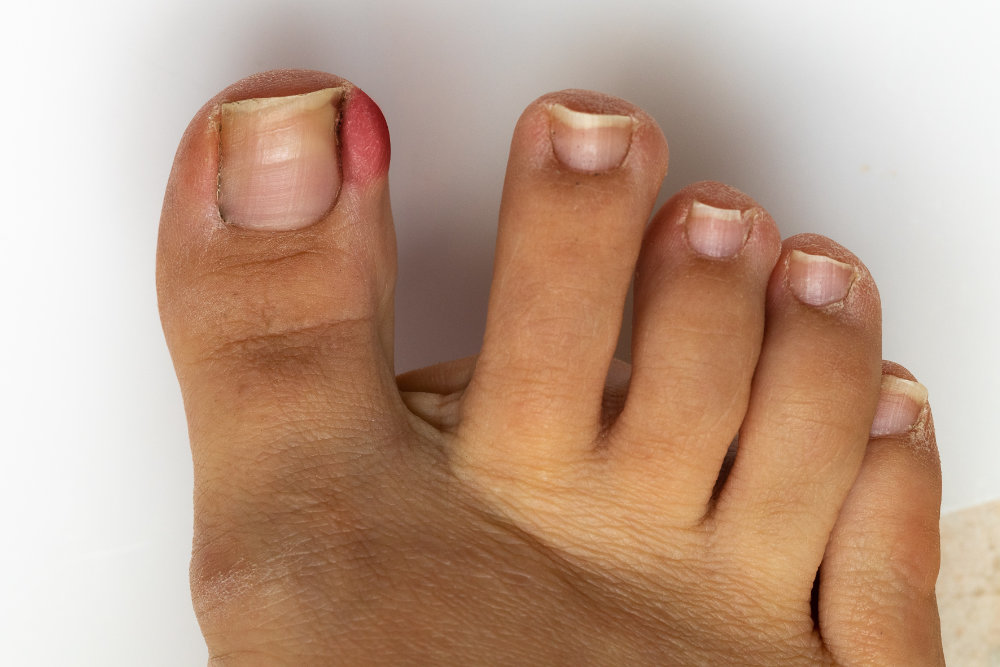
Painful Ingrown Toenail? Get Podiatrist-Led Care in Los Angeles

An ingrown toenail rarely stays the same. As the nail edge digs deeper, the toe grows more tender with each step. Tight shoes and walking add pressure that keeps the problem going.

Many patients notice swelling, redness, and tenderness on one side of the toe, sometimes with drainage. When home care fails, or the ingrown nail keeps returning, professional treatment is often the next step. Many patients are seen quickly for same-day evaluation and treatment of a painful ingrown toenail in Los Angeles.

What Is an Ingrown Toenail?

An ingrown toenail, which Los Angeles patients often deal with, occurs when the nail edge grows into the soft skin next to it. The skin reacts as it would to anything pushing against it: pain, swelling, and sometimes infection. The big toe is the most common spot, though any toe can be affected.

Several factors can lead to an ingrown toenail. Cutting nails too short or rounding the corners can encourage the nail to grow into the surrounding skin. Tight shoes, repeated pressure from sports and exercise, and toe injuries, such as stubbing a toe, can also increase the risk. Some people are more prone to ingrown toenails because of their natural nail shape, especially if their nails are unusually curved. When chronic pressure on the nail persists, or previous treatment does not fully address the problem, ingrown toenails may recur.

Signs You May Need Ingrown Toenail Removal

People often experience some improvement with home care, but certain signs indicate the need for a foot specialist. Some of the clearest signs include:

  • Pain or tenderness along the edge of the nail
  • Redness and swelling around the toenail
  • Drainage, pus, or a bad odor
  • Skin is starting to grow over the nail edge
  • Discomfort when wearing shoes or walking
  • The same ingrown toenail returns again and again

Waiting too long raises the risk of infection, which is harder to treat once it spreads. This matters even more for people with diabetes or poor circulation, whose feet heal more slowly. Seeing a foot doctor early in Los Angeles for an ingrown toenail can help prevent infection from happening in the first place.

Ingrown Toenail Treatment Options

Depending on the severity of the problem and whether it recurs, treatment for ingrown toenails in Los Angeles can vary. Mild cases usually respond to gentler care. Those conservative approaches include:

  • Carefully trimming the problem nail edge
  • Adding padding to reduce pressure
  • Easing pressure from tight footwear

When an infection is already present, antibiotics can help clear it. However, they don’t change the shape of the nail left behind, so the problem can still return. For nails that often dig in or become infected, partial removal removes only the problem edge. Ingrown toenail surgery options in Los Angeles may be recommended if they meet the patient’s needs. For example, if the same toe keeps flaring up, a lasting fix called a matrixectomy might be the best approach.

What Is a Matrixectomy?

A matrixectomy stops a problem nail from growing back in the same painful way. It treats the nail matrix, the small area at the base of the nail where new growth begins. By treating this section, the portion of the nail that repeatedly grows into the skin is permanently removed, helping eliminate the source of ongoing pain and recurrence.

This is different from simple trimming, which removes only the part causing pain for short-term relief. Los Angeles patients often consider matrixectomy as a long-term option, and a specialist may recommend it for chronic recurrence, ongoing infection, or repeated pain. Many patients prefer to have it fixed once rather than treat the same nail endlessly.

What to Expect During Ingrown Toenail Removal

If you are wondering what to expect with ingrown toenail removal, the visit is simpler than most people picture. It starts with a careful evaluation of the toe and foot, including your history and any signs of infection. From there, the specialist explains the plan, so you know what is coming before anything begins.

The ingrown toenail removal procedure itself is quick. A local anesthetic numbs the toe so the area stays comfortable, then the doctor removes the ingrown nail border, cleans the spot, and applies a protective dressing. Patients are sent home with clear instructions for care during the first few days.

Many patients return to normal shoes and light activity soon after. Recovery varies by severity and procedure type, so your doctor will explain what fits your case.

Does Ingrown Toenail Removal Hurt?

Fear of pain is one of the most common worries patients raise, and it’s understandable. The area is numbed before any work starts, so the procedure itself is comfortable. Many patients usually feel pressure rather than sharp pain.

Some soreness is normal for a day or two after the numbness wears off. Usually, an over-the-counter painkiller can do the trick. Many are surprised by how much better the toe feels immediately, since the constant pressure is finally gone.

How Long Does It Take to Heal?

Recovery from ingrown toenail surgery typically takes a few weeks for many patients, depending on their health and the procedure. A partial ingrown toenail removal usually feels much better within days. A permanent procedure like a matrixectomy takes a little longer to fully settle down.

Proper home care supports healing and reduces the risk of complications.

  • Keep the dressing clean and dry
  • Avoid strenuous activity until your doctor clears you
  • Wear loose shoes

Contact your doctor if you notice increasing pain, spreading redness, fresh drainage, or a fever.

Infected Ingrown Toenail Treatment in Los Angeles

An infection changes how an ingrown toenail should be handled, so it’s important that you know the signs. Reach out to a specialist if you notice any of these:

  • Drainage or pus from an ingrown toenail
  • Redness that is spreading
  • Warmth around the nail
  • Swelling that keeps growing
  • A bad odor coming from the area

If left untreated, an infection can move deeper and become harder to treat. This is especially concerning for people with diabetes or circulation issues, as slower healing can increase the risk of complications. Treating an infected ingrown toenail in Los Angeles under a podiatrist’s care is often safe and addresses the underlying nail problem before it becomes more serious.

Why Choose LA Foot Laser for Ingrown Toenail Removal?

There are plenty of ingrown toenails that get cut, flare up, and get cut again. That’s not the case at LA Foot Laser, where Dr. Kourosh Harounian treats the toe with the goal of breaking that cycle, not just calming this week’s flare-up. He examines the entire nail and foot using modern podiatric technology to determine why it keeps digging in, whether it’s the nail shape, footwear, or a prior removal that left the edge behind.

This is most important for stubborn or recurring cases, where the right call may be a matrixectomy instead of another quick trim. You’ll leave the clinic with a patient-focused care plan based on what’s happening with your toe.

Both offices in Downtown LA on W. 7th Street and in West LA on Santa Monica Blvd keep care close by when your toe hurts, and when waiting is the last thing you want to do.

Ingrown Toenail Removal Near Downtown LA and West LA

LA Foot Laser offers ingrown toenail removal that Los Angeles patients can reach from two convenient locations:

Both offices welcome patients from across the region, including West LA, Downtown LA, Santa Monica, Koreatown, and the nearby Beverly Hills community. Wherever you are coming from, you can reach a skilled podiatrist for an ingrown toenail in Los Angeles without a long drive when your toe is sore.

Schedule Ingrown Toenail Treatment in Los Angeles

You do not have to wait until the pain is severe to seek help. A foot specialist can step in when a toenail is painful, infected, or keeps recurring. Early treatment often prevents a small problem from becoming a larger one.

Acting sooner can ease symptoms, lower infection risk, and speed your return to routine. If you are searching for ingrown toenail removal near you or need urgent relief, contact LA Foot Laser to schedule an evaluation for a painful, infected, or recurring ingrown toenail.

Frequently Asked Questions About Ingrown Toenail Removal

The nail edge grows into the skin, often due to short trimming, tight shoes, toe injuries, or an inherited nail shape.

When the toe is very painful, looks infected, or keeps returning after home care.

A mild case may improve with gentle care. Once infection or repeated pain starts, consider seeing a professional.

The toe is numbed first, so it is comfortable. Mild soreness afterward can be eased with over-the-counter relief.

It is quick and often done in one visit, usually under an hour.

It treats the base of the nail so the problem edge does not grow back.

A simple removal can regrow, but a matrixectomy is designed to keep the edge from returning.

Yes. A podiatrist clears the infection and treats the nail behind it, often with antibiotics.

Many people heal within a few weeks; permanent procedures take a little longer.

Yes. Our West LA office on Santa Monica Blvd serves Santa Monica and the surrounding area.

Yes. Our Downtown office on W. 7th Street serves central Los Angeles and Koreatown.

A podiatrist is trained in foot care and can both treat the problem and help prevent it.

Many patients walk right after, though roomy shoes help until the toe is cleared.

Signs include pus, spreading redness, warmth, growing swelling, and odor. See a foot doctor if present.

It often ties back to nail shape, ongoing pressure, or an incomplete past treatment.