
Last updated: October 14 2026

A plantar wart is a small, rough skin growth on the sole of the foot caused by the human papillomavirus (HPV). It can be tender under pressure and, without treatment, may persist or spread. At LA Foot Laser, Dr. Kourosh Harounian treats plantar warts at two Los Angeles locations using Swift microwave therapy along with other treatment options, matched to your skin, symptoms, and goals.

What Is a Plantar Wart?

A plantar wart is a common viral skin infection that appears on the sole of the foot. Because it grows on a weight-bearing surface, the wart is often pushed inward and can feel like a small pebble underfoot. Plantar warts usually have a rough, grainy surface and may show tiny black dots, which are small clotted blood vessels. They can appear on their own or in clusters, sometimes called mosaic warts.

What Causes Plantar Warts?

Plantar warts are caused by certain strains of the human papillomavirus (HPV). The virus enters through small cuts or breaks in the skin and thrives in warm, moist places such as locker rooms, showers, and pool decks. Plantar warts can spread through direct contact or from contaminated surfaces, and they can also spread to other areas of your own foot. They are most common in children and young adults but can develop at any age.

Symptoms of a Plantar Wart

Plantar warts do not always cause symptoms. When they do, common signs include:

  • A rough, thickened, or grainy area on the sole of the foot.
  • Tenderness or pain when standing or walking.
  • Tiny black dots on the surface of the growth.
  • A callus over a spot where the wart has grown inward.

If a growth is painful, bleeding, changing in appearance, or spreading, it is worth having it evaluated by a podiatrist.

Plantar Wart Treatment Options

Plantar wart treatments generally fall into two groups: those that physically remove the wart tissue and those that prompt the immune system to clear the virus. Options include:

  • Salicylic acid, which gradually peels away wart tissue.
  • Cryotherapy, which freezes the wart to trigger it to fall away.
  • Cantharidin, a topical agent that blisters the skin beneath the wart.
  • Surgical excision, in which the wart is removed under local anesthesia.
  • Laser treatment, which targets the wart tissue and its blood supply.
  • Swift microwave therapy, which stimulates an immune response to the underlying HPV.

For more detail on how these approaches work, see our overview of plantar wart treatment options
Treatment that physical destroy the warts includes but are not limited to:

    1. Salicylic acid: This is essentially a Chemical peeling of the skin
    2. Freezing (cryotherapy). Freezing works by causing a blister to form under and around your wart.
    3. Cantharidin: Medication that is used to cause a blister under the wart.
    4. Surgery: The doctor may cut out the wart (excision)
    5. Laser treatment.The laser (cauterizes) tiny blood vessels. The infected tissue should eventually die, and the wart falls off.

The newest treatment that involves stimulate your own immune system to fight the wart, Say hello to SWIFT.

Swift Microwave Therapy for Plantar Warts

Swift

How Swift Works

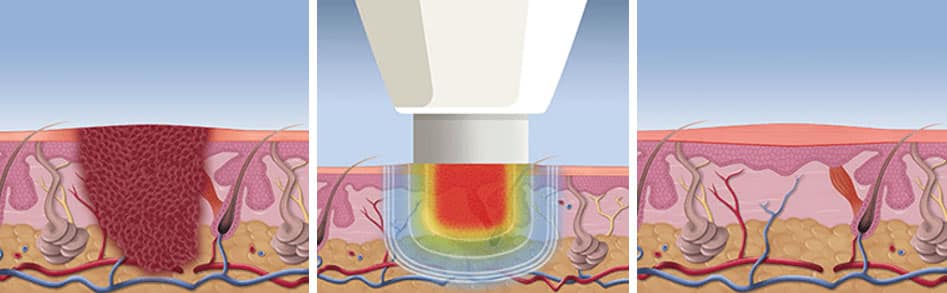
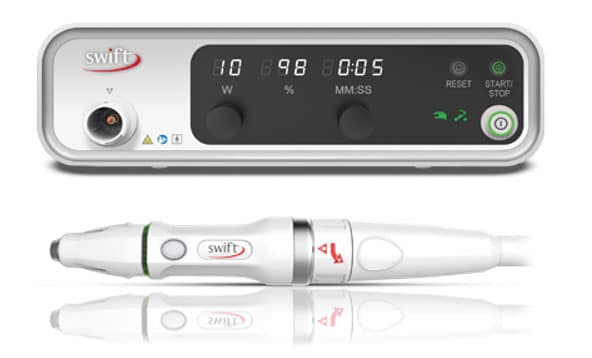
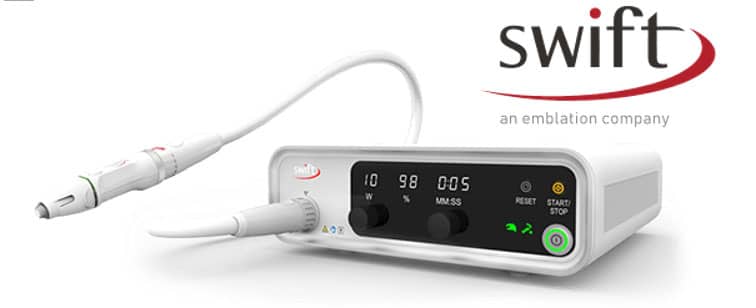
Swift is an FDA-cleared technology that delivers controlled microwave energy to the wart through a specialized applicator. The treatment is designed to stimulate a local immune response to HPV-infected tissue, helping the body recognize and respond to the cells involved in the wart. Unlike treatments that physically remove or freeze wart tissue, Swift uses this immune-based approach without cutting the skin.

What to Expect

A typical Swift course involves 3 to 4 treatments, spaced about 4 weeks apart, aligning with the body’s natural immune cycle. Each session lasts only 5 to 10 minutes and involves limited debridement, with no breaking of the skin and no bandages. No home treatment is required between sessions, and patients can resume daily activities immediately.

Effectiveness

Wart Removal Before and After Los Angeles

Because Swift is designed to stimulate a local immune response to HPV-infected tissue, it can be considered for stubborn or recurring plantar warts. Dr. Harounian will discuss whether Swift or another approach is appropriate for your situation.

Does Swift Hurt?


Swift

Most patients feel a short sensation of heat during each brief dose of energy, which lasts only a couple of seconds. Any discomfort typically eases quickly once the energy stops, and there is usually little discomfort afterward. Because Swift does not break the skin, there are no dressings to manage at home.

When to See a Podiatrist

You should see a podiatrist if a wart is painful, spreading, bleeding, changing in appearance, or not improving with over-the-counter care. Anyone with diabetes, poor circulation, or a weakened immune system should have any foot wart evaluated by a professional rather than treating it at home. Dr. Harounian can confirm the diagnosis and recommend the most appropriate treatment for your needs.

If you are deciding where to begin, our guide on which type of doctor is best for plantar wart treatment can help. 

Preventing Plantar Warts

A few simple habits can lower your risk of plantar warts:

  • Wear sandals or shower shoes in locker rooms, pools, and shared showers.
  • Keep your feet clean and dry, and change socks regularly.
  • Avoid touching or picking at warts, which can spread the virus.
  • Do not share shoes, socks, or towels.

If you already have a wart, avoiding picking or touching it and following appropriate treatment and hygiene recommendations may help reduce the chance of spreading the virus to other areas or people.

Why Choose LA Foot Laser

LA Foot Laser is a dedicated foot care clinic led by Dr. Kourosh Harounian, DPM. Plantar wart care is provided in-office at two Los Angeles locations, with Swift microwave therapy available for stubborn or recurring warts. Treatment is tailored to your condition, and the team offers bilingual care in English and Spanish.

Related Services at LA Foot Laser

In addition to plantar wart removal, Dr. Harounian and the LA Foot Laser team offer a comprehensive range of podiatric services to support your foot and ankle health.

Frequently Asked Questions About Plantar Wart Removal

A plantar wart is a small, rough growth on the sole of the foot caused by the human papillomavirus (HPV). The virus enters through tiny breaks in the skin and can cause a wart that is often tender when you stand or walk, especially on pressure points like the heel or ball of the foot. Plantar warts are common and, while sometimes stubborn, they respond well to professional treatment.

Swift delivers controlled microwave energy to the wart through a small applicator. The treatment is designed to stimulate a local immune response to HPV-infected tissue rather than cutting or freezing the wart. Individual response varies, and Dr. Harounian can determine whether Swift is appropriate based on the wart and your treatment history.

Most patients feel a short sensation of heat during each brief dose of energy, which lasts only a couple of seconds. Any discomfort typically eases quickly once the energy delivery stops, and there is usually very little pain afterward. Comfort levels vary from person to person and depend on the location and size of the wart.

A typical Swift course involves three to four treatments spaced about four weeks apart, which aligns with the body’s natural immune response cycle. Each visit lasts only about five to ten minutes. Dr. Harounian will assess your wart and recommend the number of sessions most appropriate for your situation.

Swift generally requires little to no downtime. Because the treatment does not cut the skin or typically require bandaging, many patients can return to routine daily activities after treatment. Dr. Harounian will provide any specific aftercare instructions based on your treatment.

Yes. The HPV that causes plantar warts can spread through direct contact or through contact with contaminated surfaces such as locker room floors, showers, and pool decks. Keeping your feet clean and dry, wearing footwear in shared spaces, and treating warts promptly can help reduce the risk of spreading them to others or to other areas of your own feet.

You should see a podiatrist if a wart is painful, spreading, bleeding, changing in appearance, or not improving with over-the-counter care. Anyone with diabetes, poor circulation, or a weakened immune system should have any foot wart evaluated by a professional rather than treating it at home. Dr. Harounian can confirm the diagnosis and recommend the most appropriate treatment for your needs.

To get rid of your warts or explore Swift treatment, book a consultation with LA Foot Laser. Call us or request an appointment online, and one of our specialists will be happy to help.