

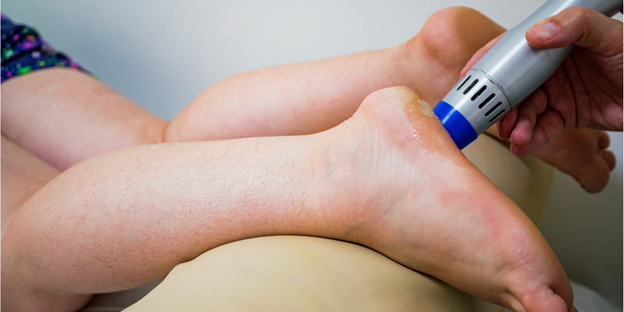
Foot pain can be hard to put into words. Many people say it feels like electric shocks, sudden jolts, or stabbing pain that comes and goes. These sensations can make it hard to walk, sleep, or stay active. When the pain keeps returning, simple daily tasks start to feel draining.
Standard care helps some people, but it doesn’t always bring enough relief. Pills, creams, and physical therapy may reduce symptoms only part of the way. This leaves many people looking for another approach to chronic foot pain that doesn’t rely on more medication.
Scrambler therapy is one treatment option sometimes discussed for certain types of chronic nerve pain. It is not right for everyone, and results differ from one person to the next. Before choosing any treatment, it helps to understand what is actually causing the pain. That first step shapes every decision that comes after it.
What Does Electric-Like Foot Pain Usually Feel Like?
People describe electric foot pain in many ways, and the words they choose often point to a nerve problem. Common descriptions include:
- Sharp, shooting pain that strikes without warning
- Electric shock sensations that travel through the foot
- Sudden stabbing that lasts only a moment
- Pins and needles or a buzzing feeling
- Burning that mixes with electrical jolts
- Pain that moves across the foot or into the toes
These patterns matter because they hint at how the pain is being produced. Nerves carry signals from the feet to the brain, and they normally send pain messages only when something is wrong. When nerves are damaged, they can misfire and send pain signals for no clear reason.
This is why the pain often appears even when the foot looks healthy. Many people feel symptoms while resting, and the discomfort can grow worse at night. That timing is a strong clue that the nerves themselves are involved.
Also Read: How Podiatrists Treat Chronic Foot Nerve Pain Without Surgery
What Conditions Can Cause Sharp, Electric Foot Pain?
Peripheral neuropathy is one of the most common reasons for this kind of pain. It often affects the feet first and may build up slowly over months or years. Along with electric sensations, many people also notice numbness and tingling that spread over time.
Diabetic neuropathy is another frequent cause. Long-term changes in blood sugar can damage the small nerves in the feet, and symptoms usually begin in the toes. Over time, the pain can move into the feet and lower legs, though early neuropathy treatment may help keep symptoms in check.
Several other conditions can produce the same feelings:
- Chemotherapy-induced neuropathy from certain cancer drugs
- Nerve entrapment, where a nerve is pinched or compressed
- Nerve injury that follows surgery
- Spinal conditions that press on nerves leaving the back
- Idiopathic neuropathy, which has no clear cause
Because so many conditions overlap, two people with similar pain may have very different reasons behind it. That is why a careful diagnosis comes before any treatment plan.
Why Traditional Nerve Pain Treatments Sometimes Fall Short
Nerve pain doesn’t behave like a sprained ankle or a sore muscle. With most injuries, the pain fades as the tissue heals. With nerve pain, the signals can keep firing long after any injury is gone, and the symptoms can settle into a chronic pattern.
By the time many people search for new options, they have already tried several. Oral medications, topical creams, physical therapy, lifestyle changes, and supportive footwear or orthotics are common steps in foot pain treatment. These methods help some people a great deal, while others see only small gains.
The reasons people keep looking tend to repeat. Some people get partial relief but still feel uncomfortable, and others have problems with side effects from medication. With ongoing sleep loss and limits on daily activity, many people are asking if something else might work better.
Also Read: Scrambler Therapy vs. Medication for Foot Pain: What’s Different
What Is Scrambler Therapy?
Scrambler therapy is a non-invasive pain treatment, which means it doesn’t use injections or surgery. Small surface electrodes are placed on the skin near the area of pain. The device then sends gentle synthetic signals that carry non-pain information toward the nerves. The goal is to change the abnormal pain signaling so the brain receives a different message.
People sometimes confuse this with a TENS unit, but the two work in different ways. A TENS unit mainly tries to block or mask pain in the moment, while Scrambler therapy aims to retrain how the nerves send chronic neuropathic signals over a series of sessions.
The methods of delivering the signal are also different, and placement is not the same for everyone. A trained provider decides where the electrodes go and adjusts the settings during each visit. This professional setup is one reason the treatment is given in a clinic rather than at home.
Can Scrambler Therapy Help Reduce Electric-Like Foot Pain?
Some people are better suited to this treatment than others. Those most often considered include people with peripheral neuropathy, chronic nerve pain, or burning and electrical sensations in the feet. It tends to draw interest from people who want a non-drug option and still have symptoms after trying other care.
When the treatment does help, the changes people notice are usually gradual. Some report less intense pain, while others feel the electric sensations happen less often. Better sleep, more daytime comfort, and the ability to stay active a bit longer are other changes people sometimes describe.
Results vary from person to person. It depends on what caused the neuropathy, how much nerve damage there is, and how long the symptoms have been present. Overall health and individual response also shape the outcome, so no honest provider can promise a fixed result.
When Scrambler Therapy May Not Be the Right Solution
Certain symptoms should be checked before any pain treatment begins. A few warning signs point to a problem that needs attention right away:
- Rapidly worsening pain
- Clear muscle weakness
- Balance problems
- Sudden changes in how the feet feel
- Foot pain that has never been diagnosed
An accurate diagnosis protects you from treating the wrong problem. Not all foot pain is neuropathy, and structural conditions can mimic nerve pain quite closely. Sometimes more than one condition is present at once. The right plan always matches the true cause, which is why testing comes before treatment.
What Patients Often Overlook About Nerve Pain
One common surprise is that the source of the pain is not always in the foot. Nerve trouble can begin higher up, such as in the spine, and still create symptoms far away in the toes. Certain whole-body health conditions can play a part as well.
Waiting also carries a cost that is easy to miss. Nerve problems can get worse over time, and seeing a specialist sooner can catch a cause that responds well to treatment. If treatment is delayed, the condition may be harder to control.
It also helps to view any single treatment as one piece of a larger plan. Good care is often about addressing the root cause, controlling risk factors like blood sugar, following good foot care routines, and monitoring symptoms over time. Scrambler therapy may be part of that plan, as it can work best in conjunction with these other steps.
When to See a Foot and Nerve Pain Specialist
There are a few obvious signs that it’s time for an evaluation. Sensations of electric shock in the feet, burning pain that interrupts sleep, and persistent tingling or numbness are all worthy of attention. Seek help if the pain is affecting your balance or walking, or if it doesn’t go away after treatment.
For those considering Scrambler therapy in Los Angeles, an evaluation can help determine whether the treatment is a good fit. A visit to LA Foot Laser begins with a review of your medical history, followed by a neuropathy assessment and physical examination of your feet and nerves. Diagnostic testing is added as needed, and the visit ends with a clear discussion of options.
Also Read: What Chronic Foot Nerve Pain Does to Mobility Over Time
Conclusion
Sharp, electric-like foot pain is more than a passing annoyance. Because several different conditions can cause similar symptoms, identifying the source of the pain is an important first step before considering treatment options.
Scrambler therapy may help certain people who live with chronic neuropathic pain, especially when other steps have fallen short. Still, not every cause of foot pain responds to the same treatment, and honest care avoids guarantees. A thorough evaluation is the way to learn whether you are a good candidate.
The most important first step never changes. Finding the true source of your symptoms guides every choice that follows. If electric foot pain is affecting your daily life, schedule a neuropathy evaluation with LA Foot Laser to discuss whether Scrambler therapy belongs in your plan.