
Sprain
Sprain is an injury to
ligaments that is caused by being stretched beyond their normal capacity and possibly torn. A muscular tear caused in the same manner is referred to as a
strain . In cases where either
ligament or muscle tissue is torn, immobilization and surgical repair may be necessary.
Ligaments are tough, fibrous tissues that connect bone to bone across the
joints.
Sprains can occur in any
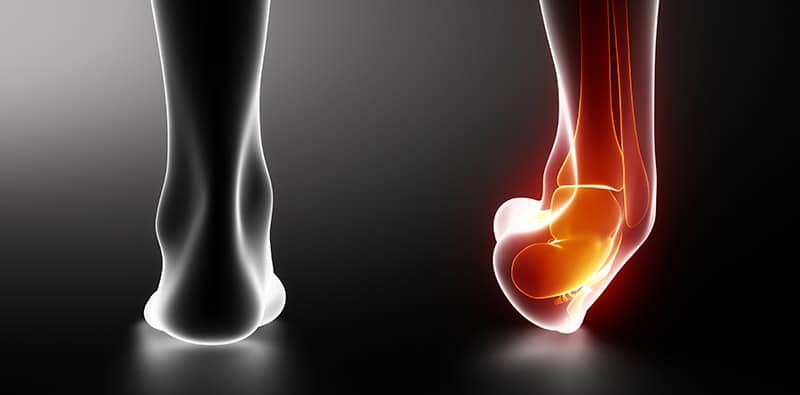
joint but are most common in the
ankle.
Symptoms
- Pain
- Swelling
- Bruising
- Decreased ability to move the
joint
- If the
ligament is ruptured, one may hear a popping sound
- Difficulty using the affected extremity
Diagnosis
The diagnosis of
Sprain injury is made by a physical examination. In most cases an x-ray of the affected
joint is obtained to ensure that there are no fractures. If a tear in the
ligament is suspected, then an MRI is obtained. MRI is usually ordered after swelling has subsided and can readily identify the presence of a
ligament injury.
Diagnosis of
Sprains is not difficult but in most cases x-rays are obtained to ensure that there is no fracture. In many cases, if the injury is prolonged, magnetic resonance imaging is performed to look at surrounding soft tissues and the
ligament.
Causes
Sprains typically occur when the
joint is overextended. This can cause over stretching of the
ligament, tear or rupture the
ligament.
Although any
joint can experience a
Sprain , some of the more common include:
- the
ankle. It is the most common, and has been said that
Sprains such as serious
ankle
Sprains are more painful and take longer to heal than actually breaking the bones in that area.
- the knee. Perhaps one of the more talked about
Sprains is that to the anterior cruciate
ligament (ACL) of the knee. This is a disabling
Sprain common to athletes, especially in football, basketball, soccer, pole vaulting, and judo. See Anterior cruciate
ligament injury.
- the fingers.
- the wrist.
- the toes.
Risk factors
There are certain factors which increase risk of
Sprains .
Fatigue of muscles generally leads to
Sprains . When one suddenly starts to exercise after a sedentary lifestyle,
Sprains are quite common. Not warming is the most common cause of
Sprains in athletes. Warming up loosens the
joint, increases blood flow and makes the
joint more flexible. Poor conditioning of the body can also lead to
Sprains .
Treatment
The first modality for a
Sprain can be remembered using the acronym R.I.C.E. The treatment of
Sprains depends on the extent of injury and the
joint involved. Medications like non steroidal anti-inflammatory drugs can relieve pain. Weight bearing should be gradual and advanced as tolerated.
- Rest: The
Sprain should be rested. No additional force should be applied on site of the
Sprain . If, for example, the
Sprain were an
ankle
Sprain , then walking should be kept to a minimum.
- Ice: Ice should be applied immediately to the
Sprain to minimize swelling and ease pain. It can be applied for 20-30 minutes at a time, 3-4 times a day. Ice can be combined with a wrapping to minimize swelling and provide support.
- Compression: Dressings, bandages, or ace-wraps should be used to immobilize the
Sprain and provide support.
- Elevate: Keeping the
Sprained
joint elevated above heart level will also help to minimize swelling.
Ice and compression (cold compression therapy) will not completely stop swelling and pain, but will help to minimize them as the
Sprain begins to heal itself. Careful management of swelling is critical to the healing process as additional fluid may pool in the
Sprained area.
The
joint should be exercised again fairly soon, in milder cases from 1 to 3 days after injury. Special exercises are sometimes needed in order to regain strength and help reduce the risk of ongoing problems. The
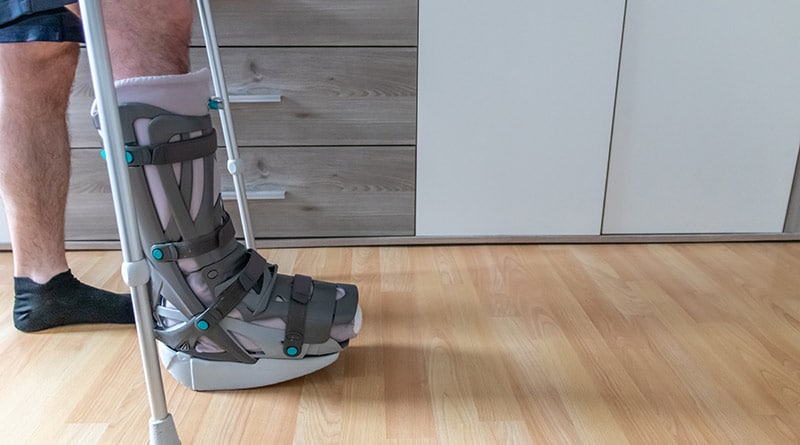
ankle may need to be supported by taping or bracing, helping protect it from reinjury.
Prevention
Sprains can best be prevented by proper use of safety equipment (wrist,
ankle guards; carts vs. lifting), warm-ups and cool-downs (including stretching), being aware of surroundings and maintaining strength and flexibility. Physical conditioning is the best way to avoid or lessen the degree of
Sprains .
Call your doctor or
Dr. Harounian’s clinic at 213-484-0040 if:
- Swelling does not go down within 2 days.
- You have symptoms of
infection -- the area becomes redder, more painful, or warm, or you have a fever over 100°F.
- The pain does not go away after several weeks.
Dr. Harounian’s Clinics are equipped with all necessary state-of-the-art tools and equipments for treating and curing all
Foot and
Ankle related disorders, diseases and
infection, such as
Toenail Fungus
infections,
Athlete Foot , Toe Deformities, Nail Abnormalities and etc.
Both Santa Monica and Los Angeles Clinics are capable of providing the new
Toenail Fungus Laser Treatment, known as Pin Pointe Foot Laser.
For more information about Pin Pointe Foot Laser and
Toenail Fungus Laser Treatment procedure, visit our
Cutting Edge Toenail Fungus Treatment page.
If you or anyone you know is suffering from
Toenail Fungus or other
foot related disorders call us today and set your appointment now.
| Metropolitan Los Angeles Clinic: | 213-484-0040 |
| West Los Angeles Clinic: | 310-477-9210 |
This article is copied and/or modified from an article on Wikipedia® - the free encyclopedia created and edited by online user community. Although the vast majority of the Wikipedia® encyclopedia articles provide accurate and timely information please do not assume the accuracy of any particular article. This article is distributed under the terms of GNU Free Documentation License.